Thamesmead waterfront removals access and parking advice
If you are planning a move near the Thamesmead waterfront, you will already know the tricky bit is not always the lifting. It is the access. The parking. The narrow approach roads, the turning space, the loading distance, the lift that is a bit too small, the one-way frustration that appears at the worst possible moment. That is exactly why Thamesmead waterfront removals access and parking advice matters so much. Get it right and the whole day feels calmer. Get it wrong and even a simple move can turn into a slow, sweaty shuffle with trolleys, boxes, and someone muttering under their breath.
This guide breaks down how waterfront removals in Thamesmead usually work, what to look out for, and how to plan around parking, permits, access restrictions, and timing. It is written to be practical, not vague. You will find step-by-step guidance, common mistakes, best-practice tips, and a realistic checklist you can use before moving day. If you are comparing options too, there are a few useful internal resources along the way, including pricing and quotes and removals information that can help you plan properly.
Table of Contents
- Why Thamesmead waterfront removals access and parking advice Matters
- How Thamesmead waterfront removals access and parking advice Works
- Key Benefits and Practical Advantages
- Who This Is For and When It Makes Sense
- Step-by-Step Guidance
- Expert Tips for Better Results
- Common Mistakes to Avoid
- Tools, Resources and Recommendations
- Law, Compliance, Standards, or Best Practice
- Options, Methods, or Comparison Table
- Case Study or Real-World Example
- Practical Checklist
- Conclusion
- Frequently Asked Questions
Why Thamesmead waterfront removals access and parking advice Matters
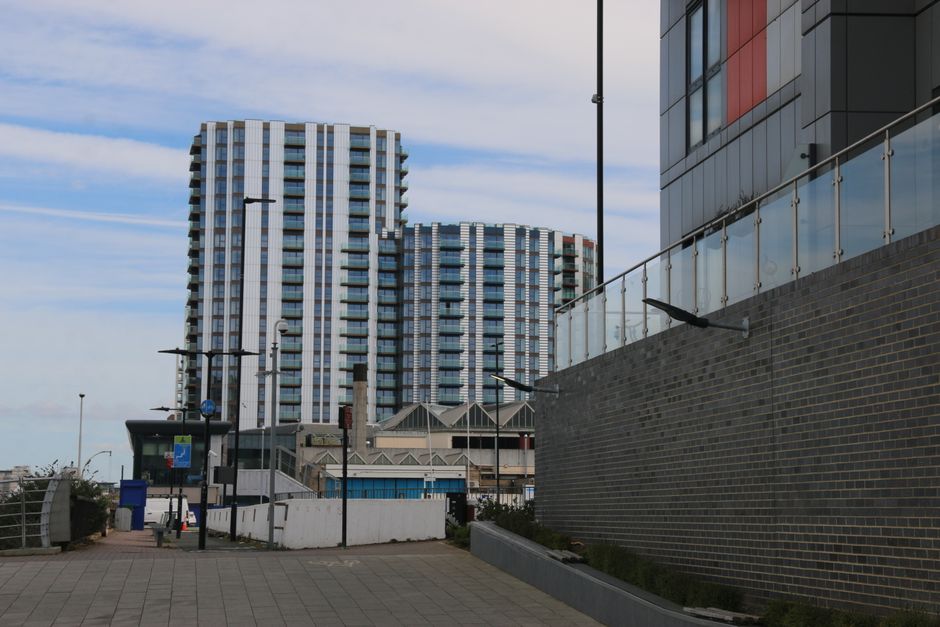
Moves around the Thamesmead waterfront can look straightforward on a map and still be awkward in real life. Water-facing developments, estate roads, shared courtyards, service bays, and tight residential parking can all change how long a move takes and how smoothly it runs. A van that cannot stop close to the entrance means more carrying. More carrying means more time, more fatigue, and a higher chance of something being knocked, dropped, or delayed. Simple enough, really.
That is why access planning is not a side issue. It sits right at the centre of the job. A removal team needs to know where it can stop, how long it can stay there, whether there is a loading area, whether any parking restrictions apply, and whether the route from vehicle to front door includes stairs, lifts, gates, or awkward corners. On waterfront properties, you may also find paths designed for pedestrians rather than delivery vehicles, which changes everything.
There is another reason this advice matters: timing. Thamesmead traffic can be busy at commuter hours, school-run times, and on days when multiple residents are moving in or out. If a removals vehicle arrives without a plan, a five-minute handover can become a twenty-minute search for a legal place to stop. Nobody enjoys that. Not the movers, not the neighbours, and definitely not the person paying the clock.
Good parking advice also helps you avoid fines, complaints, and avoidable stress. Truth be told, the best move days look boring from the outside. The van arrives, parks where it should, boxes go straight inside, and there is no dramatic last-minute scramble. Boring is good. Boring is efficient.
Expert summary: In Thamesmead waterfront removals, the best results come from planning the access route before the van arrives, not after. A few minutes of preparation can save hours of hassle.
How Thamesmead waterfront removals access and parking advice Works
At a practical level, access and parking advice is a planning process. Before moving day, you identify the best route for the vehicle, the nearest legal stopping point, and the safest way to carry items between the property and the van. If the property is in a waterfront area, that process often includes checking estate rules, local restrictions, and any temporary changes around shared spaces or road layouts.
The workflow usually looks something like this:
- Assess the property entrance and road layout.
- Check whether the van can stop close enough for efficient loading.
- Confirm if a bay, permit, or suspension is needed.
- Look for obstacles such as height barriers, gates, low kerbs, or narrow turns.
- Plan the loading sequence so the heaviest or most fragile items go first or last, depending on access.
- Allow extra time for walking distance, stairs, or lift use.
In waterfront settings, small details matter. A bay that looks empty may still be restricted. A space outside a block may be available in the morning and blocked by noon. A route that works for a car may not suit a long wheelbase van. The difference between a smooth arrival and a messy one can come down to a few metres.
If you are using a man and van style service, access planning becomes even more important because the vehicle often needs to be positioned quickly and efficiently. Larger jobs may suit a moving van or a more structured removal company approach, especially if the access is tight or the load is substantial.
Key Benefits and Practical Advantages
Clear access and parking planning gives you more than convenience. It improves the whole shape of the move.
- Less carrying distance: The closer the van can get, the less time and energy the team spends walking boxes back and forth.
- Reduced breakage risk: Fewer handovers usually means fewer chances for damage, especially with glass, furniture, and awkward items.
- Better time control: A good parking plan keeps the schedule realistic instead of optimistic.
- Lower stress: There is something strangely calming about seeing the vehicle positioned exactly where it should be.
- Fewer neighbour issues: A tidy, lawful loading plan tends to attract less complaint.
- Cleaner cost control: Less wasted time often means a move runs more efficiently.
There is also a practical benefit that people sometimes overlook: a sensible parking setup protects the movers as well as your belongings. Repeated lifting over a long distance, across uneven paving or around parked cars, increases fatigue. Fatigue leads to mistakes. That is just human nature. A better setup helps everyone stay sharper.
If your move includes furniture clearance, recycling runs, or a mix of items going to storage and to a new home, you may also want to look at furniture pick-up and recycling and sustainability options, because splitting loads can affect parking time and vehicle positioning.
Who This Is For and When It Makes Sense
This advice is useful for a wide range of people, not just large households. In fact, the smaller the move, the easier it is to assume access will be simple. Then the van arrives and there is nowhere sensible to stop. That is a classic one.
You will benefit most from this guidance if you are:
- moving into or out of a waterfront apartment or riverside flat
- living in a managed block with shared parking or estate roads
- moving heavy furniture, appliances, or fragile items
- planning a same-day move and cannot afford delays
- using a smaller vehicle and need to make the loading process count
- coordinating with lifts, neighbours, or building management
- working around parking restrictions or permit zones
It also makes sense if you are comparing removal styles. For example, a household with a few boxes and a sofa may be fine with a compact van and careful parking. A larger family move, or an office relocation, needs more planning and may benefit from the extra structure of home moves or office removals support.
And if you are moving from a higher floor in a waterfront block, the question is not just "where does the van park?" It is "how long does every trip take, and what happens if the lift is busy?" Small detail, big difference.
Step-by-Step Guidance
Here is a practical way to prepare for Thamesmead waterfront removals access and parking advice without overcomplicating it.
1. Check the exact property access
Walk the route from the front door to the road. Notice the obvious things first: steps, gates, steep ramps, narrow paths, corner bends, and shared entrances. Then check the less obvious stuff, like whether a delivery vehicle could obstruct neighbours if it stops in the nearest space.
2. Measure the key pinch points
If the property is in a block or courtyard, note any narrow turning points, low branches, bollards, or height restrictions. If you are unsure, take a couple of photos. Honestly, a quick phone photo can save a long explanation later.
3. Decide where the vehicle should stop
The ideal stop is close enough to keep loading distance short but legal enough that you do not need to move it halfway through the job. That may be a marked bay, loading space, private forecourt, or a temporary parking arrangement agreed in advance.
4. Confirm parking permissions or suspensions
Some areas need parking permission, and some require formal suspension of a bay or controlled space. If you are not sure what applies, check early. Leaving it until the morning of the move is where avoidable stress tends to sneak in.
5. Match the vehicle to the site
Not every job suits the same type of van. Tight streets, low turns, or limited parking may favour a smaller vehicle. Bigger loads may need a larger removal van but a more precise loading plan. If you are weighing up vehicle size and service level, man with van removal options can be useful for smaller, flexible jobs, while removal services may suit larger or more complex moves.
6. Plan the loading order
Start with items that are awkward to carry or may need extra protection. Keep essentials separate. If parking is tight, the loading order should reflect distance and handling effort, not just what is easiest to grab first.
7. Build in a buffer
Assume something will take longer than expected. Maybe the lift is busy. Maybe a neighbour's car blocks the ideal space for ten minutes. Maybe you need one extra circuit to the van because the weather is doing that London thing where it rains for precisely the moment you are carrying the mattress.
A small buffer keeps the day human.
Expert Tips for Better Results
There are a few habits that make waterfront moves go more smoothly. None of them are flashy. They are just the kind of things experienced movers tend to do automatically.
- Photograph the parking area in daylight. Evening guesses are often optimistic.
- Tell the movers about delivery vehicles, gates, or coded entry systems. Surprises waste time.
- Keep one bay or stopping point in mind as a backup. A good plan B is worth its weight in boxes.
- Use labelled boxes for quick loading. If the van is parked a little farther away, efficient loading matters even more.
- Protect corners and handles. Longer carrying distances increase the chances of knocks.
- Speak to building management early if needed. A short, polite heads-up can make life easier on the day.
Another useful tip: if your move includes both furniture and smaller items, ask for loading advice based on access rather than just volume. A van can look half empty and still be badly loaded if the access route is awkward. That is one of those annoying moving truths people only learn after the fact.
For residents near busy routes or constrained streets, local route planning can also help. Resources such as best moving routes in Thamesmead SE28 and Thamesmead West removals navigating narrow streets are worth reviewing if your property sits on a tricky approach.
Common Mistakes to Avoid
Most access problems are preventable. The usual mistakes are not dramatic, just familiar.
- Assuming parking will be available. In busy residential areas, that is often the first thing to go wrong.
- Forgetting about loading restrictions. A free space is not always a legal stopping point.
- Not measuring internal access. A sofa that fits the van may still not fit the stairwell.
- Leaving permit checks too late. A small admin task becomes a big problem very quickly.
- Overestimating how close the van can get. Maps can be misleading at street level.
- Ignoring wet or uneven surfaces. Waterfront areas can have slick paths and awkward kerbs after rain.
One common error is to focus only on the vehicle and forget the building. Lift access, communal corridors, and entry controls can add just as much delay as parking issues. Another is underestimating the impact of bulky items. A bed frame, a sideboard, or a washing machine can change the whole rhythm of the move.
If you are clearing items as part of the move, it is worth understanding local disposal rules too. Our bulky waste removal options guide and Greenwich Council house clearance rules for Thamesmead can help you avoid a separate headache.
Tools, Resources and Recommendations
You do not need complicated software to plan a waterfront move, but a few simple tools help a lot.
- Phone camera: Take pictures of signs, bays, gates, and the approach road.
- Notes app: Record bay numbers, access codes, and contact names.
- Simple floor plan: Sketch where major items are coming from and going to.
- Household tape measure: Helpful for doorways, lifts, and tight turns.
- Calendar reminder: Keep permit dates, suspension times, or agreed arrival windows in one place.
For a more complete move plan, these pages can be genuinely useful: packing and unpacking services if you want help with preparation, and removals near me if you are comparing local help for a short-notice job.
If your move is urgent, same-day support may also be relevant. In that case, see same-day removals in Thamesmead for emergency moves and instant quotes for Thamesmead moves. Speed is useful, but only if access is still properly thought through. Otherwise you are just hurrying into the same problem, which is not ideal.
Law, Compliance, Standards, or Best Practice
For moves in Thamesmead waterfront areas, the main compliance issues usually involve parking, access, building rules, and general safety rather than anything exotic. The exact requirements depend on the street, estate, or block, so it is wise to verify them before the day. Councils, housing managers, and private estates may each have their own rules about loading, stopping, and bay use.
Best practice is simple: do not block emergency access, do not assume a waiting space is a loading space, and do not leave a vehicle in a restricted area unless you have the right permission. If a suspension, permit, or written approval is needed, get it in advance rather than hoping for goodwill on the morning.
Safety matters too. Movers should use appropriate lifting technique, secure loads correctly, and keep routes clear of trip hazards. If rain has made the pavement slippery, or if there is poor lighting in an underground or courtyard space, extra care is needed. That sounds obvious, but moving day has a habit of making obvious things feel forgettable.
If you want reassurance on standards and responsibilities, you can also review the company's own published policies, including health and safety policy, insurance and safety, and terms and conditions. These do not replace local rules, of course, but they do show how a move is intended to be handled.
Options, Methods, or Comparison Table
Different moves need different access strategies. Here is a practical comparison that may help you decide what suits your property and load.
| Method | Best for | Access needs | Pros | Watch-outs |
|---|---|---|---|---|
| Small van / flexible load | Light to medium moves, flats, a few key items | Can handle tighter streets and shorter stopping windows | Easier to park, nimble in narrow roads | May need more trips if the load is larger than expected |
| Standard removal van | Typical household moves | Needs a clearer stopping point and more planning | Efficient for mixed loads and furniture | Can struggle in very tight waterfront access |
| Full-service removals | Larger homes, complex moves, fragile or heavy items | Benefits from the most detailed pre-move access planning | More structured loading and coordination | Usually requires the most advanced parking preparation |
| Split move with multiple runs | Restricted access, controlled parking, or staged moves | Works with limited stopping time if organised well | Flexible when the van cannot stay close for long | Can take longer if not carefully sequenced |
In practice, the right option often depends on parking more than people expect. A larger vehicle can be efficient, yes, but only if the road and stopping area support it. Otherwise, the "bigger is better" idea starts wobbling a bit.
Case Study or Real-World Example
Picture a typical waterfront flat move in Thamesmead. The property is in a modern block with shared access, a visitor parking area, and a lift. The resident has a two-bedroom load: boxes, a bed, a sofa, a dining table, and a couple of fragile items. On paper it looks manageable. In reality, the visitor parking spaces are often full by late morning, and the nearest legal stop is a little farther away than expected.
Instead of waiting until the morning to sort things out, the move is planned the day before. Photos are taken of the entrance, the parking signs, and the route from the flat to the road. The movers are told about the lift size and the best place to load from. A backup stopping point is identified in case the nearest bay is occupied. Boxes are labelled so the most needed items can be loaded in a sensible order.
On moving day, the van arrives, checks the route, and parks where it can stay without needing to move every ten minutes. The carry distance is not tiny, but it is predictable. Nobody is confused. Nobody is circling for a space while holding a wardrobe door. The job still takes effort, of course. Moving house is moving house. But it stays orderly, and that matters.
That sort of result is usually what good access advice creates: not a perfect move, just a calmer one. Which, let's be honest, is what most people want.
Practical Checklist
Use this checklist before moving day. It is simple, but it covers the essentials.
- Confirm the exact address, block name, and entrance used for loading.
- Check whether the van can stop legally near the property.
- Identify any permit, bay suspension, or estate permission needed.
- Measure key doorways, lifts, stairs, and turns if the route looks tight.
- Take photos of parking signs and the approach road.
- Tell the removals team about restrictions, gates, codes, or timings.
- Decide where fragile and heavy items will be placed first.
- Keep essential documents and valuables separate.
- Build in a bit of extra time for parking or lift delays.
- Have a backup plan if the closest bay is taken.
If you are still deciding who to use, it can help to look at about us and contact us so you can check the company background and ask practical questions before booking. A quick conversation now can save a very long day later.
Conclusion
Thamesmead waterfront removals access and parking advice is really about control. Not control in a stiff, corporate sense, but the calm kind. Knowing where the van can stop. Knowing how the items will move from flat to vehicle. Knowing what can go wrong before it does. That is what separates a stressful move from a manageable one.
The waterfront setting adds a few extra variables, but none of them are mysterious. With the right checks, the right vehicle choice, and a realistic view of parking and access, the move becomes far more straightforward. Do the small things early and the big things tend to fall into place. It is not glamorous, but it works.
Get a free quote today and see how much you can save.
If you want a smoother move overall, a good next step is to compare access needs, parking limitations, and service style before the moving date gets close. That little bit of planning can make all the difference, and honestly, it usually does.
Frequently Asked Questions
Do I need parking permission for a Thamesmead waterfront move?
Sometimes, yes. It depends on the street, the estate, and whether you are using a controlled bay, loading area, or permit-controlled space. Check early so you are not relying on luck on the day.
What if the van cannot park right outside my building?
Then the move can still work, but the team needs to plan for a longer carry distance. That affects timing, manpower, and loading order, so it is better to know in advance than discover it on arrival.
How far in advance should I sort out parking for removals?
As early as you reasonably can. A few days ahead is often sensible for straightforward jobs, and earlier if you think a bay suspension, permit, or building approval may be needed.
Are waterfront flats in Thamesmead harder to move than houses?
They can be. Flats often involve lifts, shared access, coded entry, and tighter parking. Houses usually offer more direct loading access, though narrow residential streets can still be awkward.
What should I tell the removals team before moving day?
Tell them about parking restrictions, access codes, stair counts, lift size, loading entrances, and any awkward items. The more precise you are, the less guesswork there is.
Can a small van be better than a larger removal truck?
Yes, in some cases. If the roads or parking spaces are tight, a smaller vehicle may be easier to position and faster to unload. A larger van is not automatically better if it cannot access the property efficiently.
What happens if someone else is parked in the planned loading space?
That is exactly why a backup plan helps. You may need an alternative bay or a revised loading point. It is annoying, but manageable if the team has already thought it through.
Do I need to measure the lift and doorway?
If you have large furniture, yes. A sofa that barely fits can cause delays, damage, or a very awkward angle. A few measurements are worth the trouble.
How can I avoid delays on moving day?
Check access in advance, confirm parking, label items clearly, keep the loading route clear, and build in a little extra time. The moves that feel easiest are usually the ones with the dullest preparation.
Is same-day removal possible if parking is difficult?
It can be, but only if access is discussed honestly before booking. Same-day work is often about speed, yet the parking setup still needs to be workable or the time savings vanish.
What if I am also getting rid of bulky items?
Plan for that separately, because clearance items can change the van space, loading order, and parking duration. It may help to look at bulky-waste guidance before move day.
Where can I check service details before booking?
Look at the company's service pages, pricing information, and policy pages so you know what is included and what is expected. A quick check now is better than a surprise later.