Avoid parking fines - Thamesmead removals and permits
Posted on 10/06/2026
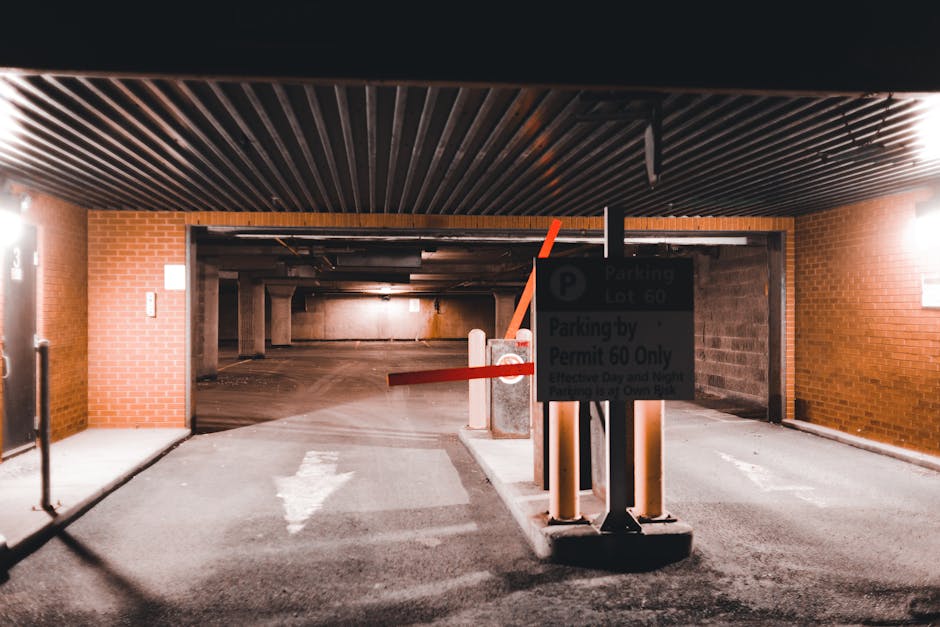
Moving day is busy enough without a yellow envelope tucked under your windscreen wiper. In Thamesmead, where estates, side roads, shared access points and limited kerb space can make stopping a van awkward, a bit of parking planning can save you time, money and a lot of irritation. This guide explains how to avoid parking fines - Thamesmead removals and permits in a practical, no-nonsense way, so your move stays smooth from the first box to the last chair. If you are dealing with flats, tight turns, or an awkward loading area, the right preparation really does make the difference.
We will cover why parking control matters, how permits usually fit into the moving process, what to check before the van arrives, and the most common mistakes people make when they assume "I'll just stop for a minute." To be fair, that is often where the trouble starts.
Why Avoid parking fines - Thamesmead removals and permits Matters
Parking is one of those moving-day details that sounds minor right up until it becomes the main event. In Thamesmead, the issue is often not the actual move itself, but where the removal van can legally and safely pause. A short stop on a restricted road, in a residents' bay, on yellow lines, or across a dropped kerb can lead to a penalty notice, a delay, or a stressed-out loading team standing around with nowhere to go.
For households, students, landlords and businesses, the risk is simple: a fine adds cost to a move that is already expensive. But the bigger issue is disruption. If a van has to be moved every few minutes, crew efficiency drops. Heavy items take longer to carry. And if the vehicle is parked too far from the property, you get more trips, more strain and more chance of damage. You can probably picture it: a sofa in the hallway, someone checking the street every ten minutes, and that slightly frantic feeling in the air.
In Thamesmead, the local layout matters too. Some roads are straightforward, but others involve shared access, narrow turns, and estates where loading space is limited. If you have ever tried to move furniture with traffic building behind you, you will know how quickly patience disappears. Good parking planning is not just about avoiding fines. It is about protecting the move itself.
Expert takeaway: the cheapest parking decision is usually the one made before moving day, not during it.
How Avoid parking fines - Thamesmead removals and permits Works
The basic idea is straightforward: check whether your van can stop legally where it needs to load or unload, and secure any permission required before the move begins. That may involve a permit, a bay suspension, a loading exemption, or simply choosing a time and place where restrictions do not apply. The exact arrangement depends on the street, the estate, and the local parking rules in force at the time.
Think of it as a chain of checks. First, confirm the moving address and the exact loading point. Second, identify any restrictions on that road or nearby bays. Third, work out whether the vehicle will need a permit or whether a lawful loading arrangement is enough. Fourth, make sure the timing matches the move, because a permit for the wrong time slot is no help at all. Slightly obvious, maybe. Still missed all the time.
In practice, movers often need to decide between a few parking approaches:
- using a legal loading bay near the property
- parking in a time-limited space only for the permitted duration
- arranging a permit or suspension where needed
- choosing a quieter moving window to reduce competition for space
That is why good removal planning and parking planning should happen together. A move is not just boxes and tape; it is access, timing and vehicle positioning as well. For broader planning support, the company's services overview is a useful starting point, especially if you are comparing what kind of help you actually need.
Key Benefits and Practical Advantages
When parking is sorted properly, everything else becomes easier. The benefits are not just about avoiding penalties, although that is the obvious one. Here is what good permit and parking planning tends to deliver.
- Lower risk of fines: you avoid the most common moving-day penalty traps.
- Faster loading and unloading: the van can get closer to the property, so the team spends less time walking back and forth.
- Less physical strain: shorter carry distances matter when moving wardrobes, mattresses, or boxes of books.
- Better timing: fewer interruptions mean a more predictable schedule.
- Less stress for neighbours and residents: no awkward blocking, less revving, less confusion outside the building.
- Reduced damage risk: furniture is less likely to be knocked about if the route in and out is shorter.
This is especially valuable in flats and shared properties, where access can already be a bit of a puzzle. If your move includes bulky furniture, the guidance in furniture removals in Thamesmead may help you think about access needs before the day arrives.
There is also a calmness benefit that people often underestimate. Moving is noisy, messy and time-sensitive. When the parking side is under control, the whole job feels less like a scramble. You can hear the tape gun, the wheels on the ramp, the front door opening and closing without that constant worry of a ticket appearing. It sounds small. It is not small.
Who This Is For and When It Makes Sense
Parking permits and moving-day access planning matter for more people than you might think. If you are moving in or out of Thamesmead, the need can show up in all sorts of situations.
Home movers
Households moving between homes often need the van close to the front door, especially with multiple boxes and fragile items. If you are coordinating a full property move, parking planning should sit alongside packing and decluttering. In fact, many people find it easier when they read about preparing for the big move with decluttering before they even think about van access.
Flat movers
Flats are where parking issues bite hardest. Shared entrances, visitor bays, lift access, and narrow approaches all create pressure. If that sounds familiar, you may also want to look at flat removals in Thamesmead and Southmere Park move tips for flat-to-flat removals for a more access-focused perspective.
Students and short-notice movers
Students and renters often have a tighter schedule and less control over moving dates. If you are operating on a deadline, a permit mistake can be extra painful because there is less room to recover. For time-sensitive moves, student removals Thamesmead can be a practical fit.
Businesses and offices
Commercial moves bring their own complications: loading windows, staff access, and the need to keep disruption low. Parking planning is even more important when there are deliveries, clients, or nearby businesses to consider. For that setting, office removals Thamesmead is the more relevant service route.
Anyone moving bulky or awkward items
If you are shifting a piano, large sofa, heavy freezer, or bed base, you want the van as close as possible. The same goes if you are moving alone and need the process to be efficient. A useful side read is lifting heavy objects solo, which ties in nicely with access planning.
Step-by-Step Guidance
Here is a sensible, real-world way to handle parking and permits before the moving van turns up. Keep it simple and do not leave it until the last minute if you can help it.
- Check the moving address carefully. Look at the exact entrance, not just the postcode. A property can be technically "in Thamesmead" but still have a very different parking setup from the next street over.
- Inspect the street or estate in advance. If possible, visit at the same time of day as the move. Parking conditions at 8 a.m. can feel very different from 2 p.m.
- Identify restrictions. Watch for yellow lines, marked bays, resident-only parking, time limits, access gates, and any loading-only areas. If the pavement or kerb is tight, note that too.
- Decide whether a permit or bay arrangement is needed. If you are unsure, assume you need to verify it. That slightly cautious approach usually saves money.
- Match the parking plan to the size of the vehicle. A small van might fit where a larger removal van cannot. That matters more than people expect.
- Build in a buffer. Traffic, keys, lift access, and neighbours all create delay potential. A little spare time avoids rushed parking decisions.
- Brief the removal team. Let them know where they can stop, where they cannot stop, and whether there are any access quirks. One clear message beats five half-texts later on.
- Keep proof or confirmation close by. If a permit or booking reference is issued, store it in your phone and keep a screenshot if needed. Handy in the moment, especially if signal is patchy.
A small but important detail: if you are using storage during the move, parking may need to be planned around two stops rather than one. That can happen more often than people realise. The page on storage in Thamesmead is worth a look if your move is being split across dates.
Expert Tips for Better Results
Over time, a few patterns become clear. The people who avoid parking fines most reliably tend to treat parking as part of the move planning, not as a side note.
- Use a smaller vehicle where access is tight. Sometimes a removal van is not the best choice for a narrow street or awkward estate access. A more compact vehicle can save the day.
- Pick a quieter moving window if possible. Mid-morning on a weekday may be easier than a school-run-heavy slot or a busy weekend morning. Not always possible, but often helpful.
- Coordinate with neighbours or building management early. A quick conversation can avoid someone objecting to the loading space just as the van arrives.
- Protect your carry route. If parking is a little further away, use trolleys, straps, and well-packed boxes so the extra distance does not become chaos.
- Label heavy items clearly. The team can load faster if the heaviest bits are obvious. Less stopping, less reshuffling.
- Plan for awkward items separately. Sofas, mattresses and pianos often need a more careful route and better parking position. For sofa care and handling, this sofa storage guide can be surprisingly useful for transport prep as well.
And yes, sometimes the best tip is simply to ask the right question before the move: "Where can the van legally stop for long enough to do the job properly?" It sounds plain, but it saves a lot of faff.
If you want the moving day itself to feel steadier, crafting a calmer house moving experience is a good companion read. A calmer plan tends to produce fewer parking mishaps. Funny how that works.
Common Mistakes to Avoid
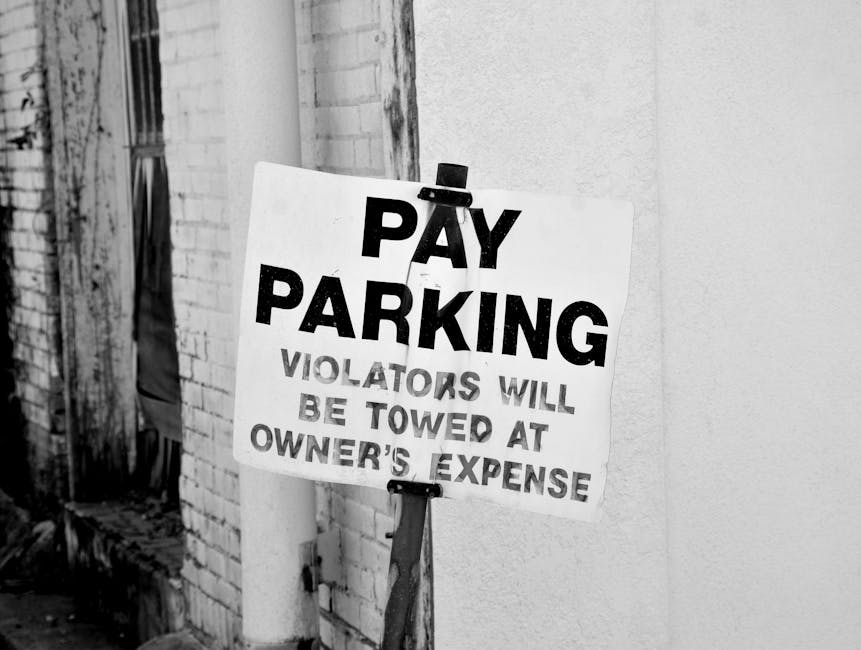
Most moving-day parking problems come from a handful of avoidable errors. They are common because people are busy, not because they are careless.
- Assuming a quick stop is always allowed. A few minutes on the wrong restriction can still result in a fine.
- Not checking the vehicle size in advance. A space that suits a car may not suit a van, especially with clearance and turning room.
- Leaving permit checks until moving morning. That is a classic stress move. It rarely ends well.
- Forgetting loading time. A permit or parking arrangement that covers only arrival may not cover the full unloading period.
- Ignoring estate rules. Private land and managed developments can have their own requirements, and they are not always obvious from the street.
- Parking too far away without a plan. Longer carries are tiring and can cause damage, scuffs, or dropped items.
- Not telling the removal team about access issues. Crews work best when they know the reality before they get there, not after they have already reversed into the road.
One more that gets overlooked: not planning for bad weather. A wet morning in Thamesmead can change the feel of a move quickly. Slippery shoes, muddy paths, and a van parked just a little too far away suddenly become a bigger issue. It's not dramatic, just inconvenient in the worst possible way.
Tools, Resources and Recommendations
You do not need a giant toolkit to handle parking and permit planning, but a few simple things make a real difference.
- Phone notes or a moving folder: keep address details, parking instructions, contact names and permit notes in one place.
- Photos of the access point: a quick picture of the street, gate or bay helps the team understand the setup before arrival.
- Measuring tape: useful if you need to compare bay length, lift dimensions, or the route between the van and front door.
- Printed or saved confirmation: if any parking arrangement is issued, keep a backup copy on your phone.
- Box labels and route notes: if loading is from a distance, clear labelling helps the crew prioritise items efficiently.
It also helps to work with a service that understands access challenges locally. If you are weighing up help, man with a van Thamesmead and man and van Thamesmead are both relevant starting points depending on the scale of your move. For broader moving support, the page on removal services Thamesmead gives a better overview of what can be included.
If your move is more specialised, there are also pages for piano removals Thamesmead, same day removals Thamesmead, and removal van Thamesmead. Not every move needs the same setup, and that is the point.
For packing help, the guide to streamlining your house move with packing tips is a sensible companion piece, especially if you want fewer delays on the day.
Law, Compliance, Standards, or Best Practice
Parking and permit issues sit within local parking control rules, private land conditions, and general moving best practice. The exact restrictions can vary by road, estate and timing, so it is always wise to verify the current situation rather than rely on guesswork or what worked last year. That is the cautious, sensible line to take.
In practical terms, best practice usually means:
- checking whether stopping for loading is allowed at the location
- making sure any permit or suspension covers the full moving window
- keeping clear of blocked driveways, dropped kerbs and restricted bays
- respecting residents, pedestrians and emergency access
- ensuring the vehicle is parked safely and does not create a hazard
Where a property is managed by a landlord, letting agent or building manager, there may also be site-specific rules for access and loading. Those are worth confirming directly in advance. The legal principle is simple enough: if you do not know the rule, do not assume the street is fair game.
Good movers also follow broader safety expectations. That means planning safe lifting routes, reducing unnecessary carry distance, and avoiding rushed manoeuvres around parked cars or tight corners. If you care about the handling side of the move too, the company's health and safety policy and insurance and safety information are worth reviewing. For a deeper look at careful handling, see how kinetic lifting enhances performance, which touches on movement and load control in a practical way.
Finally, if parking rules are part of a larger building or tenancy handover, it helps to keep the move-out side clean and organised. The guide to house move-out cleaning tips fits nicely here, because a tidy exit and a tidy loading plan tend to go hand in hand.
Options, Methods, or Comparison Table
There is no single best way to handle moving-day parking. The right choice depends on the road, the size of the vehicle and how much access you need. Here is a simple comparison to help you think it through.
| Method | Best for | Pros | Watch-outs |
|---|---|---|---|
| Legal free parking nearby | Quiet streets with spare capacity | No permit cost, flexible if available | Can mean a longer carry and more time |
| Loading bay or short-stay space | Flats, townhouses, small moves | Closer access, quicker loading | Often time-limited and tightly controlled |
| Permit or bay suspension | Busy roads or restricted areas | Most controlled option, better certainty | Requires advance planning and confirmation |
| Smaller van with easier positioning | Tight streets and estates | More manoeuvrable, often easier to place | May require more trips if the load is large |
In many Thamesmead moves, a combination approach works best. For example, a smaller vehicle may be used alongside a short loading window, or a permit may be combined with early arrival to make sure the first stop is the right stop. The idea is not to overcomplicate it. It is to match the plan to the reality outside the building.
If you are comparing service levels, the removal companies Thamesmead page can also help you think about what level of support feels right for your situation.
Case Study or Real-World Example
Imagine a two-bedroom flat move in Thamesmead on a damp Thursday morning. The tenants have packed the obvious things, but the van arrives to find residents' bays on one side, a narrow access road on the other, and a corner that looks roomy until you actually try to turn into it. Very normal, very familiar.
The first instinct might be to stop "just for unloading" in the nearest space. But that space is not clearly marked for visitors, and it is already close to the boundary of a restricted area. Instead, the mover and the customer do a quick check before lifting anything. They settle on a legal loading position a short walk away, keep the ramp ready, and split the load by priority: fragile boxes first, then furniture, then final loose items.
Was it perfect? Not exactly. The carry was longer than hoped, and someone had to pause while a neighbour reversed out. But because the parking position had been thought through, nothing got rushed. No ticket. No angry note on the windscreen. And no one had to carry a wardrobe backwards through a bad space because "we'll be fine for ten minutes."
That kind of example is common in practice. The quiet win is not dramatic; it is simply a move that stays on track.

Practical Checklist
Use this checklist the day before, or better yet a few days before, your move.
- Confirm the exact moving address and entrance point
- Check road restrictions, bay markings and loading rules
- Decide where the van will stop for loading and unloading
- Verify whether a permit, bay suspension or booking is needed
- Match the parking plan to the vehicle size
- Take photos of the access route if helpful
- Save permit details or confirmation on your phone
- Tell the removal team about any gates, lifts or tight corners
- Plan for weather, traffic and possible delays
- Keep a backup option in mind if the first parking choice is taken
If you are still organising packing, the article on preparing your freezer for longterm storage and the guide on moving your bed and mattress efficiently can help with the more awkward household items too.
One last reminder: parking is not a background task. It is part of the move.
Conclusion
If you want to avoid parking fines - Thamesmead removals and permits are all about planning access before the van turns up. That means checking restrictions, choosing the right stopping point, confirming permissions where needed and making sure the moving team knows what to expect. It is simple in theory, but it pays to be thorough in practice.
In Thamesmead, where streets, estates and loading spaces can vary a lot from one address to the next, a careful parking plan can protect your budget, keep the move moving, and make the day feel far less frantic. And honestly, that is worth a lot. Moving is already one of those life admin jobs that steals your energy; no need to let a parking ticket join the party.
Get a free quote today and see how much you can save.
For a smoother moving day overall, you can also explore removals Thamesmead and house removals Thamesmead if you are still shaping the right support for your move. A little early planning goes a long way, really it does.