Bexley Council bin and bulky item rules for Thamesmead
Posted on 06/07/2026
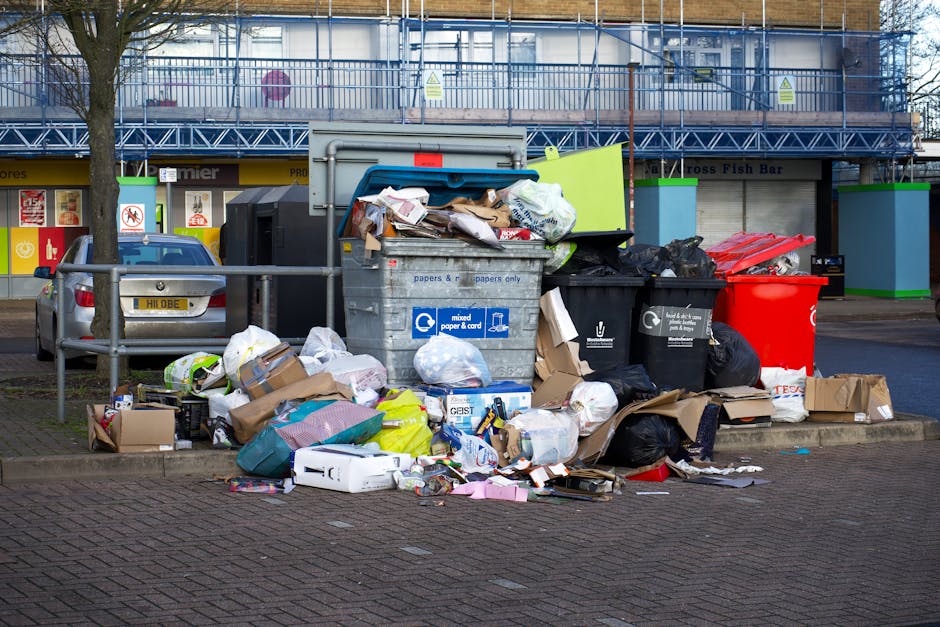
Bexley Council bin and bulky item rules for Thamesmead: a practical guide for residents, movers, and landlords
If you live in Thamesmead and you are trying to work out what happens with bin collections, missed waste, or a sofa that will not fit through the hall, you are not alone. The rules around Bexley Council bin and bulky item rules for Thamesmead can feel a bit tangled at first, especially because Thamesmead sits close to council boundaries and people often assume one local authority handles everything. It does not always work that neatly. In practice, the right approach depends on your exact address, the type of waste, and whether you are dealing with everyday household bins or bulky items like beds, wardrobes, white goods, and broken furniture.
This guide breaks the topic down in plain English. You will learn how the system generally works, why it matters during a move or clearance, what to check before putting anything out, and how to avoid the sort of annoying mistakes that lead to rejected collections, fly-tipping risks, or last-minute panic. Let's make it simpler.
Why Bexley Council bin and bulky item rules for Thamesmead matters
Waste rules sound dull until you are standing in a hallway with a dismantled bed frame, two overfilled bags, and no idea whether the collection team will take them. Then it suddenly matters a lot.
For Thamesmead residents, the details matter for a few practical reasons. First, bin waste is usually collected on a strict schedule and only in the correct containers. Second, bulky waste is not treated like ordinary rubbish. A large item left out incorrectly can be refused, damaged by weather, or reported as an obstruction. Third, if you are moving house, clearing a property, or replacing furniture, the timing can be tight. That is when people end up taking shortcuts. Truth be told, shortcuts are where most disposal problems begin.
The issue is not just convenience. Proper disposal affects street cleanliness, safety on shared walkways, estate management, and whether reusable items get diverted for recycling rather than heading straight to landfill. For anyone living in a flat, maisonette, or a narrow access property, this becomes even more relevant because bulky items can block entrances and create awkward fire or access issues.
If you are planning a move, it also helps to think about the disposal side alongside packing and lifting. A calm, step-by-step approach is easier on your back and your nerves. You may find it helpful to read preparing for the big move with a decluttering plan and move-out cleaning tips so you are not trying to do everything at once.
How Bexley Council bin and bulky item rules for Thamesmead works
At a basic level, the system usually works in two separate lanes: regular household bin collections and separate arrangements for larger items. The exact service arrangements depend on the council responsible for your address, and that is why Thamesmead residents should always confirm the correct local authority before booking or placing waste out.
For ordinary bins, the main expectations are usually straightforward:
- Use the correct bin or container for the correct material.
- Put waste out on the right day and at the right time.
- Do not overload lids or leave loose rubbish beside the bin.
- Keep contaminated recycling out of recycling bins.
Bulky waste is different. Sofas, mattresses, cabinets, fridges, exercise equipment, and other large items normally require a separate booking or a specific collection service. These items should not be left out casually unless an approved collection has been arranged. In many areas, collection rules include limits on item types, quantity, and how the items must be presented for collection. For example, a mattress may need to be dry and clear of debris, while a fridge may need all food removed and shelves secured.
For removals and clearances, this is where planning pays off. A mover can remove items from the property, but disposal still needs to be handled in line with the rules. If you are dealing with a sofa, you might also want to look at how to store a sofa properly if you are deciding whether to keep it, move it, or replace it.
There is also a real difference between re-use, recycling, and disposal. A decent bulky item plan starts with asking: can this be reused, donated, sold, or taken apart for recycling? That one question saves a lot of unnecessary waste.
Key benefits and practical advantages
Following the rules is not just about avoiding hassle. There are some very practical upsides.
- Fewer rejected collections: You save yourself the pain of hauling things back inside after a missed pickup.
- Less stress on moving day: Waste is one less thing to worry about when you are juggling keys, boxes, and time slots.
- Better use of space: Clearing bulky items earlier opens up room for packing and movement.
- Lower risk of fines or complaints: Incorrectly placed waste can create problems for residents and landlords.
- More sustainable outcomes: Reusable furniture and recyclable materials are more likely to be diverted properly.
There is also a comfort factor, oddly enough. A property feels calmer when it is not surrounded by unwanted clutter. You notice it in the morning light, when the room is quieter and there is actually room to move around without stepping over broken drawers. Small thing, big difference.
For people arranging a wider move, the benefits are even clearer. Good waste planning complements careful packing and lifting. If you are handling awkward or heavy pieces, the guidance in lifting heavy objects safely and kinetic lifting and movement technique can help reduce strain. And yes, your back will thank you later.
Who this is for and when it makes sense
This advice is useful for a wider group than you might expect. It is not just for homeowners with a garage full of old furniture.
- Tenants leaving a flat and needing to clear leftovers before checkout.
- Homeowners replacing furniture, white goods, or garden items.
- Landlords and letting agents dealing with end-of-tenancy clearances.
- Students moving in or out with limited time and no vehicle of their own.
- Families who need a quick reset after a house move or renovation.
- Business owners clearing office chairs, desks, and mixed waste from a small workspace.
It also matters if you live in a block with shared bin stores. In those settings, putting the wrong waste in the wrong place can inconvenience everyone, not just you. That is where a little care makes you the neighbour people quietly appreciate.
If your move is time-sensitive, a short-term storage option can also help. See storage in Thamesmead if you need to stage items while sorting out disposal or recycling decisions.
Step-by-step guidance
Here is a simple way to deal with bins and bulky items without making the process harder than it needs to be.
- Confirm which council covers your address. Thamesmead can be confusing at the edges, so do not assume.
- Separate ordinary household waste from bulky items. A bin bag is not the same as a sofa, even if the sofa seems equally tired.
- Check whether the item can be reused or broken down. Remove drawers, legs, loose shelves, or other detachable parts if it helps transport and recycling.
- Clear the item of any contents. Empty cupboards, wipe down food appliances, and remove personal items.
- Photograph items if you are booking a collection. This can help if you need to describe the load clearly.
- Arrange collection or transport in advance. Do not leave bulky items for the night before if space is tight.
- Present the waste correctly. Follow any guidance on where it should be placed and whether it must be outside, on the kerb, or in a specific pickup point.
- Keep access routes clear. Hallways, lifts, fire exits, and shared paths matter.
- Dispose of hazardous waste separately. Paint, chemicals, batteries, gas bottles, and anything sharp or contaminated often need special handling.
If you are also managing a bed, mattress, or soft furnishings, the practical side gets easier when you plan ahead. A useful starting point is moving a bed and mattress efficiently, especially if you need to get a bulky frame down stairs without scuffing walls. And if you are packing before disposal, these packing tips for a house move are worth a look.
Expert tips for better results
After handling a few move-outs and clearances, a pattern becomes obvious: the people who plan disposal early have easier days, fewer surprises, and fewer bruised shins. Funny how that works.
1. Start with the biggest item first
Do not begin with a dozen little bags if the real problem is a wardrobe or sofa. Get the hard part mapped out first. Once the biggest item is handled, everything else usually feels lighter.
2. Use the "keep, donate, recycle, dispose" split
That four-way decision is simple and effective. It stops everything becoming one giant "unwanted" pile. Even if you are in a rush, this framework keeps you from tossing out usable items unnecessarily.
3. Measure access before moving anything
Thamesmead homes can vary a lot in layout. Stairwells, tight corners, and narrow hallways can turn a straightforward job into a chore. Measure door frames, lift access, and turning points before the collection day. A quick tape measure session can save a lot of awkward manoeuvring later.
4. Tie bulky waste planning to the move schedule
It works best when the bulky item plan sits next to the moving plan, not as an afterthought. The last thing you want is a clearance appointment colliding with the day the sofa finally needs to go downstairs. That overlap gets messy quickly.
5. Protect floors and walls
Use blankets, sliders, or cardboard where needed. It sounds fussy until you see a scratch on a painted wall. Then it sounds wise.
If there are especially awkward pieces, lean on professional support. For example, furniture removals in Thamesmead can be a better fit than trying to muscle everything out yourself, especially in flats and shared buildings.
Common mistakes to avoid
A lot of waste and bulky-item trouble comes from the same few mistakes.
- Leaving items out without checking the local rules. This is the classic one.
- Confusing standard rubbish with bulky waste. A broken chair is still bulky if it will not fit in the bin.
- Overfilling bins or placing extra bags beside them. Usually a fast way to create a mess and miss collection.
- Forgetting to remove food, liquids, or personal items. Fridges, cupboards, and wardrobes need to be emptied fully.
- Putting hazardous items in normal collections. Batteries and chemicals are a separate matter.
- Waiting until moving day. That is when decision-making goes bad and the hallway gets cluttered.
- Assuming another borough's rules apply. Thamesmead's location means you should not rely on neighbourly guesswork.
One small but costly mistake is parking a bulky item collection vehicle badly. If your area has restricted access, it helps to think ahead about route planning and parking permissions. The post on avoiding parking fines during Thamesmead removals is a practical read if your street is tight or busy.
Tools, resources and recommendations
You do not need fancy gear for most waste tasks, but a few basics help a lot.
- Sturdy gloves: For splinters, sharp edges, and general grime.
- Tape measure: Useful for checking whether a bulky item will fit through a doorway or into a van.
- Marker pen and labels: Handy for separating "keep," "donate," and "clear" items.
- Furniture sliders or blankets: These reduce friction and protect surfaces.
- Strong refuse sacks: Better than standard thin bags when you are clearing mixed household waste.
- Basic screwdriver or Allen key set: Often useful for dismantling beds, tables, and wardrobes.
For planning support, it also helps to look at related moving resources, especially if the clearance is part of a wider relocation. You may want a broader view of removal services, or something more tailored like a man with a van in Thamesmead if you only have a few bulky pieces. For larger or more complicated jobs, house removals in Thamesmead may be the better route.
If sustainability matters to you, it usually should, then recycling and sustainability guidance is worth considering alongside your waste plan. Reuse first, recycle second, dispose last. Simple, but effective.
Law, compliance, standards, and best practice
Without turning this into a legal seminar, there are a few sensible compliance points to keep in mind. In the UK, household waste should be presented responsibly, and you should only use approved collection methods for items that are not suitable for normal bins. Local councils also expect residents and contractors to avoid fly-tipping, obstruction, and unsafe placement of waste on streets or communal land.
Best practice usually means:
- placing waste out only when collection has been arranged;
- keeping shared pathways, entrances, and emergency routes free;
- separating hazardous materials from general household and bulky waste;
- using a licensed waste carrier or recognised council route where appropriate;
- keeping evidence of bookings or disposal arrangements if you need them later.
There is also a practical duty of care angle. If you hire help, make sure the provider handles waste responsibly and communicates clearly about what will happen to items after collection. That is not being picky; it is just smart. People sometimes forget that "someone else will take it away" is not the same as "it will be disposed of properly."
For reassurance around service standards and safe handling, you might also like insurance and safety information and health and safety policy details. Those pages are useful when you want a provider that treats the job carefully rather than casually.
Options and comparison table
There is no single right answer for every Thamesmead household. The best method depends on the item, the timing, and how much heavy lifting you want to do yourself.
| Option | Best for | Pros | Watch-outs |
|---|---|---|---|
| Regular council bin collection | Everyday household waste | Simple, familiar, usually cheapest | Not suitable for large items or overfilled loads |
| Bulky waste collection | Sofas, mattresses, white goods, furniture | Designed for larger items, more orderly than ad hoc disposal | Needs correct booking and presentation |
| Re-use or donation route | Good-condition furniture and appliances | Reduces waste, often the most sustainable option | Not everything is accepted |
| Private removal or clearance service | Moves, deep clearances, mixed loads | Flexible, convenient, handles awkward access better | Cost varies and you should check what is included |
| Self-transport to an appropriate facility | Small loads and people with access to a vehicle | Can be efficient if well organised | Needs time, lifting ability, and proper sorting |
In real life, many Thamesmead residents use a combination. For instance, bin the everyday stuff, donate a usable chair, and arrange separate collection for the broken wardrobe. That layered approach is usually the least stressful.
Case study example
A typical example comes from a flat move where the tenant had a double mattress, a chipped bedside table, three large bin bags, and a fridge that needed clearing. The first instinct was to stack everything by the front door and sort it out later. Not ideal. The better solution was to split the items into categories, check what could be reused, prepare the fridge properly, and arrange collection before the final week of the tenancy.
The mattress was kept for collection only after being wrapped and moved clear of the hallway. The bedside table was dismantled because it made access easier. The bin bags were reduced by cutting out packaging and flattening cardboard. The fridge was emptied and cleaned the day before. Nothing dramatic, just good sequencing.
The result? Less mess, fewer trips up and down stairs, and no frantic "where does this go now?" moment at 8 p.m. on a Thursday. That is the real win. Not glamorous, but very satisfying.
If you are juggling furniture and time pressure, it may also help to consider flat removals in Thamesmead or even same-day removals for urgent clear-outs. For students or smaller household moves, student removals in Thamesmead can make the logistics much easier too.
Practical checklist
Use this before collection day or move-out day. It saves time, genuinely.
- Confirm the correct council responsibility for your Thamesmead address.
- Sort household waste from bulky items.
- Check whether anything can be reused, donated, sold, or recycled.
- Empty furniture, cupboards, fridges, and appliances fully.
- Break down items if it helps safe handling.
- Keep pathways, lifts, and fire exits clear.
- Photograph items if you need evidence for a booking.
- Arrange parking or access if a van is involved.
- Protect floors and walls during moving.
- Set aside hazardous items for separate disposal.
If you like ticking things off, this is the kind of checklist that rewards a methodical mind. A little boring, sure. Also effective.
Get a free quote today and see how much you can save.
Conclusion
Sorting out bins and bulky waste in Thamesmead does not need to be a headache. The key is to treat regular household waste, bulky items, and move-related clearances as separate jobs, then deal with each one properly. Once you know which council rules apply to your address, the rest becomes much more manageable.
The people who handle this best usually do three things well: they plan early, they separate what can be reused from what must be disposed of, and they do not leave the awkward items until the last minute. That is really the whole game. Not thrilling, but it works.
And when the job is done, the space feels lighter. The hallway is clear, the bins are sorted, and the moving day chaos calms down a notch. Nice feeling, that.