Greenwich Council rules for house clearances in Thamesmead
Posted on 23/06/2026
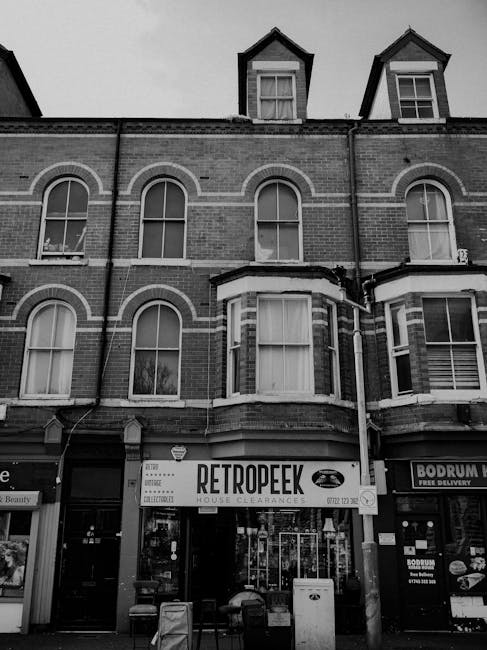
Greenwich Council rules for house clearances in Thamesmead: what you need to know before you start
If you are planning a house clearance in Thamesmead, the first thing to get straight is whether the job falls under Greenwich Council rules for house clearances in Thamesmead, plus the practical waste rules that come with living and working in this part of London. It sounds straightforward, but in real life it often isn't. A clearance can mean a single bulky item, a full flat emptied after a move, or a careful probate clearance with mixed waste, furniture, and a few things worth keeping. Get the process wrong and you can end up with parking problems, missed collections, fly-tipping risk, or waste that never should have gone in the van in the first place.
This guide breaks the whole thing down in plain English. You will see what usually matters, how to stay compliant, how to plan the job properly, and where a professional removal team can help take pressure off. To be fair, most people do not need every technical detail. They just need a clear path through the mess.
- Why Greenwich Council rules matter
- How the clearance process works
- Key benefits and practical advantages
- Who this is for and when it makes sense
- Step-by-step guidance
- Expert tips for better results
- Common mistakes to avoid
- Tools, resources and recommendations
- Law, compliance, standards and best practice
- Options and comparison table
- Case study or real-world example
- Practical checklist
- Frequently asked questions
Why Greenwich Council rules for house clearances in Thamesmead matters
House clearance is one of those jobs that looks simple until you are standing in a hallway full of unwanted furniture, mixed bags, and a freezer that still has something in it. In Thamesmead, the local context matters because clearance work is not only about getting rid of items. It is also about how items are removed, where they go, and whether they are handled safely and lawfully.
Greenwich Council rules are important because they sit behind the day-to-day reality of waste management in the area. Even if you are using a private clearance team, the waste still has to be dealt with properly. That means thinking about what can be reused, what needs recycling, what counts as bulky waste, and what should never be left on the pavement "for later". Let's face it, that last one is where people get into trouble.
Thamesmead also has its own practical quirks. Some blocks are awkward for parking. Some streets need careful loading plans. And if you are in a flat, access can make a simple job feel like a small military operation by lunchtime. A little planning saves a lot of noise, hassle, and back-and-forth.
If your clearance is tied to a move, it can help to read up on streamlining the process with decluttering before you book anything. The less you send to clearance, the less complicated the whole thing becomes.
How Greenwich Council rules for house clearances in Thamesmead works
The phrase can mean slightly different things depending on the job, so it is worth separating the pieces. In practice, house clearance in Thamesmead usually involves one or more of the following: domestic waste removal, bulky item removal, recycling, donation or resale, and the safe disposal of anything that cannot be reused.
Here is the basic flow most people follow:
- Sort the property into keep, donate, recycle, and dispose.
- Identify restricted items such as fridges, freezers, paints, chemicals, or anything potentially hazardous.
- Check access and parking so the clearance vehicle can load safely and legally.
- Choose the right disposal route for the type and volume of waste.
- Keep records where needed, especially for larger clearances or business-linked waste streams.
For many residents, the process is less about paperwork and more about getting the job done without causing a headache for neighbours or the council. If you are clearing bulky furniture, for example, timing and vehicle positioning matter a lot. A good route plan and loading sequence can make a surprisingly big difference. You can see the value of route planning in moving routes in Thamesmead SE28 and in the practical notes on avoiding parking fines and permit issues.
One thing people often miss: the council's rules are usually not about making life difficult. They are there to stop waste being dumped, burned, or mixed in ways that make recycling impossible. Annoying sometimes? Sure. Sensible overall? Definitely.
Key benefits and practical advantages
Following the right clearance approach saves time, but the real benefits go beyond that. A compliant, well-planned house clearance often feels calmer, cleaner, and less chaotic from start to finish.
- Less risk of fines or disputes from improper parking, loading, or dumping.
- Better recycling outcomes when reusable materials are separated early.
- Safer lifting and handling because heavy items are managed properly.
- Fewer surprises on the day because access and item types are already mapped out.
- More value from good items if furniture or appliances can be reused or passed on.
- Less emotional stress during difficult situations such as bereavement or downsizing.
There is also a practical money angle. If you have already sorted and decluttered, you may need fewer vehicle runs and less labour time. That is why many people pair clearance prep with a proper decluttering pass. A useful starting point is preparing for the big move with decluttering, especially if the house clearance is part of a wider move.
Expert summary: the best house clearances are not the fastest ones; they are the ones that separate reusable, recyclable, and disposable items before the lifting even begins. That small bit of order saves time, money, and a fair bit of stress.
Who this is for and when it makes sense
This topic is relevant to a much wider group than people often assume. House clearance is not just for a full property emptying after a long tenancy. It can apply to all sorts of ordinary Thamesmead situations.
- Tenants who need to clear a flat before handing back the keys.
- Homeowners decluttering before a sale or renovation.
- Landlords and letting agents dealing with left-behind furniture or waste.
- Families handling probate clearances after a bereavement.
- Students and sharers who need a quick, tidy end-of-tenancy clearance.
- Small businesses clearing offices, stock rooms, or storage areas.
It also makes sense when you do not have the physical capacity, the vehicle, or the time to do it yourself. Truth be told, moving a worn sofa down two flights of stairs is rarely anyone's idea of a good Saturday. If that sounds familiar, you may find the guidance on lifting heavy objects safely useful, though for larger clearances it is often better not to rely on solo lifting at all.
For people in flats, especially around denser parts of Thamesmead, the layout can make a house clearance feel more like a logistics job. In those cases, local experience matters. A team familiar with flat-to-flat removals around Southmere Park or navigating narrower Thamesmead streets will usually plan better than a generic operator.
Step-by-step guidance
If you want a clear path through the process, start here. A house clearance works best when you treat it as a sequence, not a single lift-and-dump job.
- Walk the property first. Note large items, awkward corners, staircases, lift access, and anything fragile.
- Separate items into categories. Keep, sell, donate, recycle, disposal, and hazardous. Use labels if needed.
- Check for specialist items. Pianos, mattresses, fridges, freezers, and heavy wardrobes can need different handling. For example, a piano should never be treated like a normal sofa; see why piano moving expertise matters.
- Clear access paths. Hallways, landings, and exits should be free of loose boxes, cords, and trip hazards.
- Plan parking and loading. Make sure the vehicle can stop safely, load efficiently, and leave without blocking the area.
- Remove items in the right order. Start with the easiest wins, then move to the bulky or heavy pieces.
- Clean the property afterwards. A proper handover usually looks better and can reduce stress if you are selling or ending a tenancy. If you want a practical refresher, these move-out cleaning tips are a good companion to this stage.
A small but useful detail: if you are clearing a fridge or freezer, defrost and empty it before the clearance date whenever possible. It avoids smells, leaks, and that awkward drip down the stairwell at the exact moment you are trying to stay polite to the neighbours. For extra help, see how to prepare a freezer for long-term storage and how to maintain a freezer when it is not in daily use.
Expert tips for better results
Here is the bit that saves people from a lot of backtracking. Small decisions early on tend to have the biggest payoff.
- Photograph the rooms before and after. It helps with landlord handovers, probate records, or general peace of mind.
- Keep one "do not remove" zone. This is especially handy in properties where family members are sorting items in different rooms.
- Use the right packing method for mixed contents. The best clears are neat clears. Proper packing habits help a lot, as explained in practical packing tips for house moves.
- Break down furniture where safe to do so. Flat-pack items, bed frames, and shelving often move more easily in parts.
- Prioritise items with replacement value. Some belongings are better sold or donated than cleared as waste.
- Protect walls and floors. A few moving blankets and a little patience can prevent scuffs that become irritating later.
If you are trying to keep the day calm, one of the best habits is simply to slow the first hour down. It sounds counterintuitive, but a calm start usually means fewer mistakes. That is something people notice more when they read about creating a calmer house-moving experience; the same principle applies neatly to clearance work.
And yes, sometimes the best expert tip is the boring one: sort before you start lifting. Not glamorous, but extremely effective.
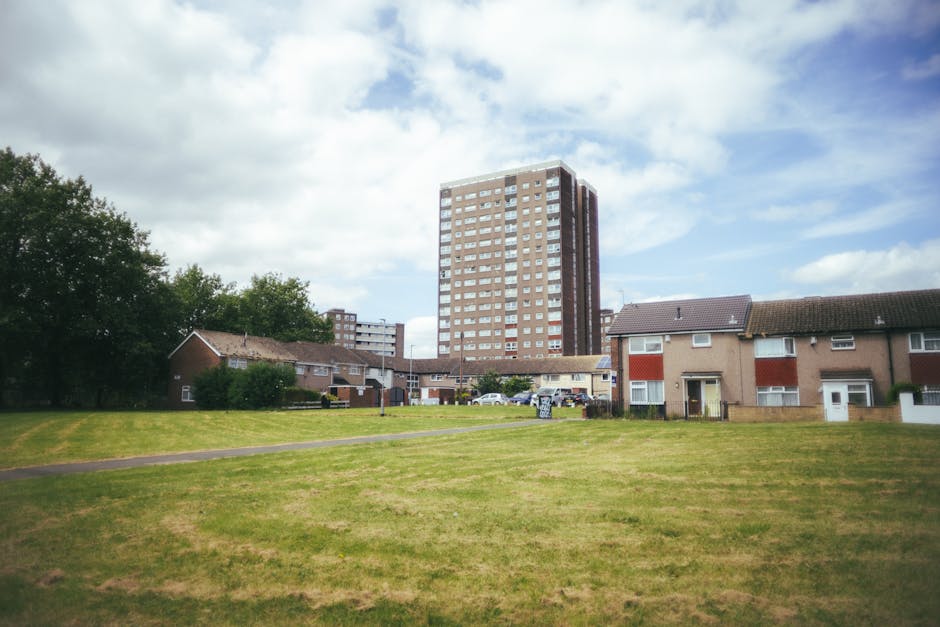
Common mistakes to avoid
Most clearance headaches come from a short list of avoidable mistakes. You do not need to be perfect, but you do want to avoid the obvious traps.
- Leaving everything until the last day. That usually turns a sensible clearance into panic moving.
- Mixing general waste with recyclable items. It creates more work and can reduce proper recycling.
- Assuming all bulky items are treated the same. A mattress, a sofa, and a fridge each have different handling issues.
- Ignoring parking or access constraints. In Thamesmead, this can slow a job down fast.
- Using the wrong lift or carry technique. It only takes one awkward twist to cause a bad back.
- Leaving hazardous items in with household waste. Paint, chemicals, and some electrical items need extra care.
- Not checking what should be kept. Family papers, keys, chargers, or documents get binned more often than people admit.
One common mistake deserves a special mention: trying to "just throw it all in the van" and sort it later. That usually creates more handling, more unloading, and more chances to miss something important. It is the removal equivalent of shoving everything into one kitchen drawer. You know the drawer.
If the clearance includes an awkward bulky item, read up on bulky waste options in Thamesmead before you begin. A bit of preparation there can prevent a messy detour.
Tools, resources and recommendations
You do not need a warehouse full of gear to complete a house clearance well, but the right basic tools make a difference. Think practical, not fancy.
| Item | What it helps with | Why it matters |
|---|---|---|
| Strong refuse sacks | Bagging loose waste | Reduces spills and makes sorting easier |
| Labels or coloured tape | Room-by-room sorting | Helps avoid accidental removal of keep items |
| Furniture blankets | Protecting bulky items and property | Minimises damage during loading |
| Trolley or sack barrow | Moving heavy loads | Improves safety and reduces lifting strain |
| Gloves and sturdy shoes | General handling | Basic but essential on clearance day |
If you are managing the job yourself, also think about storage. It is common to clear a house before deciding what should be kept, gifted, or sold. Short-term storage can be a useful bridge, especially if you are still deciding what stays. In those situations, local storage in Thamesmead can keep things from getting crowded back into the wrong room.
For larger or more complex jobs, a removal team with the right vehicle matters too. Choosing the right size of vehicle is more than a convenience question. It affects loading time, route planning, and how many trips you end up making. That is where pages like removal van options, man and van support, and general removal services become genuinely useful, not just commercial noise.
Law, compliance, standards, and best practice
For clearance work, the safest approach is to assume that waste must be handled responsibly, transported properly, and passed to an appropriate disposal or recycling route. In the UK, that usually means following accepted waste-handling practice and avoiding anything that could be seen as fly-tipping or careless disposal.
In plain English, here is what that means for you:
- Do not leave waste outside a property unless arranged properly.
- Keep hazardous or restricted items separate.
- Use a provider that treats waste responsibly.
- Make sure access and parking are safe and lawful.
- Consider insurance and safety measures for heavier or higher-risk items.
If you are hiring a company, it is reasonable to ask how they handle waste segregation, transport, and recycling. It is also sensible to ask about insurance, because damage to property or injury during loading can become expensive very quickly. A trustworthy operator should be happy to talk through insurance and safety arrangements and their health and safety approach.
There is also a sustainability angle here. If an item can be reused, repaired, or responsibly recycled, that is usually better than sending it straight to disposal. Many people are happy to know their clearance can be a little more thoughtful. That's a good thing. Clean, tidy, and less wasteful is a decent combination.
Options, methods, or comparison table
Not every Thamesmead clearance needs the same solution. A small flat clearance and a bereavement property with multiple rooms are very different jobs. The table below gives a quick comparison of common approaches.
| Method | Best for | Pros | Watch-outs |
|---|---|---|---|
| DIY clearance | Small loads and simple access | Lower immediate cost, full control | Time-consuming, physical strain, disposal mistakes |
| Man and van clearance support | Mixed items and moderate volumes | Flexible, usually quick, helpful for stairs and awkward access | Still requires good sorting and planning |
| Full removal-service clearance | Larger homes, deadlines, or complex clearances | Less stress, better logistics, more efficient loading | Higher cost than doing it yourself |
| Storage-first approach | When you are undecided about belongings | Buys time, avoids rushed disposal decisions | Requires extra handling and possible storage fees |
If your clearance is tightly linked to a move, it may be worth comparing it with a fuller house removals service rather than treating it as waste disposal alone. Some customers want both the clearance and the onward move handled in one clean sweep. Others just need the big things out. Both are fine.
For students or shared households, a lighter touch can be enough. A focused student removals option may suit smaller volumes and tighter budgets, especially near the end of term when everything seems to need doing at once.
Case study or real-world example
A typical Thamesmead clearance might look like this: a two-bedroom flat near local transport links, with a sofa, wardrobe, bed frame, boxed kitchen items, some broken furniture, and a freezer that has not been emptied properly. The resident needs the property cleared before the end of the week. There is one parking space nearby, but access to the building is shared and the lift is small.
The best outcome in this kind of job usually comes from a phased approach. First, the resident keeps documents, valuables, and anything to donate. Next, the bulky furniture is separated so it can be loaded in the right order. The freezer is dealt with early so there are no leaks or smells. Finally, the remaining mixed waste is removed in a way that keeps recyclable items apart from general waste.
In practice, the day runs much better because nobody is making decisions in the corridor with a van waiting outside. The job feels slower at the beginning, but it actually finishes faster. A small detail, but a big one.
If the property is due for cleaning and handover, combining the clearance with a final tidy-up can make the difference between a rushed exit and a smooth one. A move-out checklist, a few bags, and some sensible sorting go a long way. Honestly, that is half the battle.
Practical checklist
Use this checklist before clearance day. It keeps the job simple and reduces the chance of a last-minute scramble.
- Identify what must stay, what can go, and what needs a second opinion.
- Separate reusable items from waste.
- Check for hazardous, electrical, or specialist items.
- Empty and defrost fridges or freezers where needed.
- Measure large furniture and note awkward access points.
- Confirm parking arrangements and loading access.
- Set aside documents, keys, chargers, medicines, and sentimental items.
- Protect floors, corners, and door frames if items are being moved through the property.
- Decide whether you need storage, disposal, or a mix of both.
- Book support early if the clearance is time-sensitive or physically demanding.
If your clearance overlaps with packing for a move, it is worth revisiting packing and boxes support in Thamesmead. Good boxes and clear labelling can prevent a lot of confusion later, especially when you are sorting keep items from clearance items.
Get a free quote today and see how much you can save.
Conclusion
Greenwich Council rules for house clearances in Thamesmead are best understood as a practical framework: sort properly, remove responsibly, handle access safely, and avoid shortcuts that create problems later. Once you see it that way, the process becomes much less intimidating.
Whether you are clearing a flat after a move, handling a family property, or just making space again, a little structure goes a long way. The right plan protects your time, your back, and the neighbourhood around you. And that, really, is the point.
Take your time, sort things properly, and do the job in a way you will not regret tomorrow morning.