Handling bulky waste in Thamesmead - removal options
Posted on 02/06/2026
If you have an old sofa wedged in the hallway, a broken wardrobe that will not fit through the door, or a mattress that has seen one too many winters, you are not alone. Handling bulky waste in Thamesmead - removal options is one of those jobs that sounds simple until you actually try shifting the thing. Then the awkward angles, the lift, the dust, the van space, the timing... all of it gets real, fast.
Whether you are clearing a flat, emptying a house, replacing worn furniture, or just reclaiming space in a garage, there are a few sensible ways to deal with large unwanted items. Some are quick and convenient. Others are cheaper but take more legwork. And in Thamesmead, where access, stairs, and parking can make everything a bit fiddly, the right choice matters more than people think.
This guide breaks down the practical removal options, what to expect from each one, how to avoid unnecessary hassle, and when it makes sense to bring in help. No fluff. Just a clear, local, useful walkthrough.
Expert summary: For bulky waste, the best option is usually the one that balances access, time, safety, and disposal responsibility. If the item is heavy, awkward, or mixed with other rubbish, a professional removal service often saves more than it costs in stress alone.

Why Handling bulky waste in Thamesmead - removal options Matters
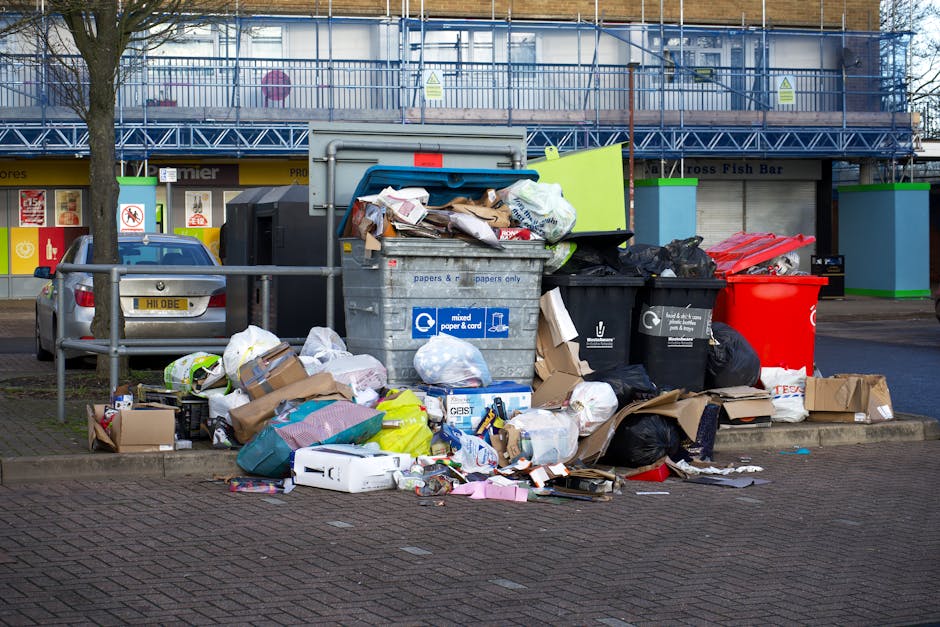
Bulky waste is not just "big rubbish". It is the stuff that takes up space, weighs more than you expected, and tends to become a problem the longer it sits there. Think sofas, armchairs, wardrobes, bed frames, mattresses, white goods, office furniture, shelving, and large garden items. In Thamesmead, this can be especially awkward because many homes and blocks have narrow entrances, shared stairwells, lift restrictions, or limited kerb access.
Why does that matter? Because poor bulky waste handling leads to avoidable damage, avoidable delays, and sometimes avoidable costs. A rushed lift can scratch walls. A badly loaded van can make one trip become two. Leaving items out for too long can create eyesores or, frankly, complaints from neighbours. Nobody wants that.
There is also the practical issue of disposal. Not every bulky item can simply be left with household waste. Some pieces may need separation, reuse, donation, recycling, or specialist handling. The cleaner the plan, the less likely you are to end up with a half-finished job and a pile of regret in the front room.
If you are already preparing for a move, it may help to think ahead about decluttering and the physical side of shifting large items. Helpful reading includes streamlining your move with decluttering and practical packing tips for a smoother move, especially if bulky waste is just one part of a bigger clearance.
How Handling bulky waste in Thamesmead - removal options Works
At a practical level, bulky waste removal follows a fairly simple pattern: identify the item, decide whether it can be reused or broken down, choose the right collection method, and make sure the final disposal route is responsible. The complexity comes from access, size, and timing.
Here is the rough process most people follow:
- Sort the item. Decide if it is truly waste, or if it could be sold, donated, repaired, or stored.
- Measure it. Width, height, depth, and the route out of the property all matter.
- Check access. Think stairs, lifts, parking, loading distance, and any tight turns.
- Choose a removal route. Council collection, self-haul, man and van help, furniture removal, or same-day clearance.
- Prepare the item. Empty drawers, remove loose parts, tape doors shut, and make it safe to carry.
- Load and remove carefully. Use proper lifting methods, protect floors, and avoid rushing.
- Dispose responsibly. Reuse or recycle where possible, and use legitimate disposal channels.
The key is to match the removal method to the item and the property. A single broken bedside cabinet is one thing. Two sofas, a fridge freezer, and a heavy wardrobe from a fourth-floor flat is something else entirely. If you are unsure how much effort is involved, a quick look at safe techniques for lifting heavy objects can make the difference between a sensible plan and a sore back by tea time.
For many people, a professional service is the simplest route because it handles not just transport but also the awkward bit: getting the thing out of the property without drama. And yes, drama is often what bulky waste creates if you leave it until the last minute. Human nature, isn't it?
Key Benefits and Practical Advantages
There are a few strong reasons people choose structured bulky waste removal instead of trying to improvise. The benefits are practical, not flashy.
- Less physical strain: Large furniture and appliances are genuinely difficult to move safely without the right technique or equipment.
- Faster clear-outs: One planned visit can clear several items in a single go.
- Cleaner properties: Items are removed without dragging dirt, dust, or damage through hallways.
- Better use of space: Once bulky waste is gone, rooms feel larger immediately. You notice it at once.
- Improved timing: This is especially useful before moves, tenancy handovers, refurbishments, or office reorganisations.
- More responsible disposal: Reusable items can be diverted, and recyclable materials separated where suitable.
Another subtle benefit is peace of mind. It sounds soft, but it matters. When a big item is sitting in the spare room or by the front door, it keeps nagging at you. Get it gone, and the place feels lighter. Simple as that.
If your bulky waste is tied to a house move, you may also find it useful to read how to make a house move feel calmer and how to get a move-out property properly clean. Clearance and move-out prep often go hand in hand.
Who This Is For and When It Makes Sense
Bulky waste removal is not only for people leaving a property. In Thamesmead, it comes up in all kinds of ordinary situations.
- Home movers clearing unwanted furniture before moving day.
- Tenants needing to return a flat empty and tidy.
- Landlords and letting agents dealing with leftover items after a tenancy.
- Homeowners replacing old sofas, beds, wardrobes, or white goods.
- Students moving out of shared housing with more stuff than expected.
- Offices disposing of desks, chairs, storage units, or redundant equipment.
- Anyone dealing with an urgent clearance after a last-minute change of plan or a same-day deadline.
It makes sense when the item is too large for a normal bin collection, too awkward for a regular car, or too risky to move alone. To be fair, if you are standing there wondering whether you really should try to wrestle a three-seater sofa down the stairs on your own, you probably already know the answer.
For student moves and compact properties, the issue is often less about volume and more about access. A narrow landing in a flat, a tight staircase in a terraced property, or a short parking window can turn a simple job into a timed puzzle. That is where local knowledge helps. See also student removals in Thamesmead and tips for flat-to-flat removals around Southmere Park.
Step-by-Step Guidance
Here is a straightforward way to handle bulky waste without making it harder than it needs to be.
1. Identify everything that needs to go
Walk through the property room by room. Make a list. Some items are obvious; others hide in corners until the very end. Include broken furniture, worn mattresses, old appliances, shelving, garden waste bundles, and anything else large enough to need special handling.
2. Decide what can be reused
Not everything bulky is waste. A decent chest of drawers, sofa, or table may still have a useful life elsewhere. If it is clean, structurally sound, and safe, that can shape the removal decision. Reuse is often the simplest form of sustainability. It also saves you moving something twice, which nobody enjoys.
3. Check the access route
Measure doorways and note any turns, steps, low ceilings, or communal corridors. The item may fit in the room perfectly and still fail at the front door. That happens more often than people expect.
4. Prepare the item properly
Empty drawers and cupboards. Remove loose shelves or glass. Tape cables and doors shut. If it is a bed or wardrobe, dismantling may save time and reduce damage risk. If you want a practical reference point, this guide to moving beds and mattresses efficiently is useful for understanding how bulky sleeping furniture is usually handled.
5. Choose the removal option
Your main options are usually:
- local authority bulky waste collection
- self-haul to a disposal site if you have the means
- private man and van or removal service
- same-day clearance for urgent jobs
- furniture removal with recycling or reuse focus
6. Schedule the job around access and neighbours
In a busy residential area, timing matters. Early morning or a slot that avoids peak traffic can make a real difference. If the route out is awkward, it helps to have a second pair of hands and a clear path before the team arrives.
7. Confirm disposal and final clearance
Ask how the items will be handled after collection. Reuse, recycling, and disposal should be clear. If the service is reputable, this should be easy enough to explain without any awkwardness.
Expert Tips for Better Results
A few small choices can make bulky waste removal a lot smoother. These are the kinds of things that usually save the most grief.
- Break items down where possible. Wardrobes, bed frames, and shelving often become much easier once separated into manageable parts.
- Protect floors and walls. Use blankets, corner protection, or cardboard on tight routes if you are moving the item yourself.
- Keep fixings in labelled bags. If the item might be reused, keep screws and bolts together.
- Clear the route before moving day. Shoes, plant pots, lamps, loose cables, and small clutter are the usual trip hazards.
- Use the right kit. Gloves, straps, a trolley, and moving blankets can prevent a lot of mistakes.
- Think about the next room. If a sofa is going, measure the replacement before buying. Sounds obvious, but people forget.
One thing worth saying: the fastest way is not always the safest way. A minute saved on a lift can become an hour lost if the item slips, catches, or damages plasterwork. There is a reason experienced movers seem a little over-cautious at first. Usually because they have seen what happens when someone says, "it'll be fine, just this once."
If your bulky item is especially heavy or oddly balanced, it is worth reviewing safe lifting mechanics and movement technique. And if the item is delicate, awkward, or expensive, such as a piano, that is a clear sign to avoid improvising. There is a reason specialist handling exists; safe piano moving is a good reminder of how quickly DIY can go sideways.
Common Mistakes to Avoid
Most bulky waste headaches come from a few predictable missteps. Avoid these and you are already ahead.
- Leaving it too late. The later you leave clearance, the fewer options you have.
- Underestimating size and weight. A "small" wardrobe can be surprisingly awkward once you start moving it.
- Forgetting access constraints. Parking, stair width, and lift availability matter just as much as the item itself.
- Using the wrong vehicle. A car boot is not a plan for a three-piece suite.
- Ignoring disposal rules. Not every item can be treated like general rubbish.
- Trying to lift alone when you should not. Pride is not a lifting aid.
Another common issue is mixing bulky waste with loose clutter. That usually turns a straightforward collection into a slower job because the team has to separate items on site. A little sorting upfront is worth it. Really worth it.
Tools, Resources and Recommendations
You do not need specialist equipment for every job, but the right tools can make a huge difference.
Useful tools
- Furniture sliders: Handy for moving heavy pieces across smoother indoor floors.
- Moving blankets: Help protect furniture, floors, and doorframes.
- Straps and harnesses: Useful for heavier items when used correctly.
- Trolleys or dollies: Best for appliances and boxy items with a stable base.
- Heavy-duty gloves: Improve grip and protect hands from sharp edges or rough timber.
- Strong tape and bags: Good for cords, screws, small fittings, and removable parts.
Practical resources on this site
If your bulky waste sits alongside a wider move or home reset, these internal guides can help:
- declutter before the big move
- pack more efficiently before clearance day
- store a sofa properly if you are not ready to dispose of it
- use storage if bulky items are only leaving temporarily
For service planning, the most relevant pages are usually the services overview, removal services in Thamesmead, and furniture removals for larger household items. If your needs are urgent, same-day removals may be more suitable.
Law, Compliance, Standards, or Best Practice
Bulky waste removal is not just about convenience. There is a responsibility angle too. In the UK, waste should be handled and passed on responsibly, and anyone transporting waste should do so through legitimate channels. You do not need to memorise legal wording to make a good decision, but you should know the basics: avoid fly-tipping, avoid handing items to unverified collectors, and keep a record of who collected what if the job is commercial or involves multiple loads.
For householders, best practice is simple: use a collection method that you understand, ask what will happen to reusable items, and be wary of very cheap offers that seem vague about disposal. If a collection van appears and nobody can explain where the waste is going, that is a warning sign. No need to be dramatic about it, just cautious.
For businesses and landlords, the standard should be a bit higher. Keep a clear audit trail, separate any confidential or sensitive material, and ensure access routes are safe for staff and contractors. If you are dealing with office furniture or redundant workstations, office removals support in Thamesmead can be useful when clearance needs to be done neatly and on time.
There are also simple safety expectations worth following: use correct manual handling methods, avoid blocking fire exits, and do not overload anyone or any vehicle. If you are ever in doubt, the safer route is the better one. That is not being overcareful. That is just sensible.
Options, Methods, or Comparison Table
Different removal routes suit different situations. Here is a plain-English comparison to help you decide.
| Option | Best for | Main advantage | Possible downside |
|---|---|---|---|
| Local authority bulky collection | Single or limited items with flexible timing | Often straightforward for standard household clearances | May have waiting times and item restrictions |
| Self-haul | People with transport and lifting help | Direct control and potentially lower cost | Time-consuming, physically demanding, and not ideal for awkward items |
| Man and van service | General bulky waste, mixed items, small-to-medium clearances | Flexible, practical, and less stressful | Needs clear access and accurate item descriptions |
| Furniture removal service | Sofas, beds, wardrobes, tables, and similar pieces | Built for bulky household items | May be unnecessary for very small jobs |
| Same-day clearance | Urgent deadlines, move-out pressure, or sudden changes | Fast response when time is tight | Availability can be limited |
If you are deciding between methods, ask yourself three simple questions: How heavy is it? How awkward is the access? How quickly does it need to go? The answer usually points you in the right direction pretty quickly.
For Thamesmead properties with tight access or narrow streets, local route knowledge can matter as much as vehicle size. A job can look simple on paper and still become slow if the van cannot stop close enough. For that reason, articles like best moving routes in Thamesmead SE28 and navigating narrow streets in Thamesmead West are more relevant than they might seem at first glance.
Case Study or Real-World Example
Picture a typical Thamesmead flat clear-out. The resident has a sofa, a mattress, two old wardrobes, and a small freezer that is no longer needed. Nothing outrageous on its own, but together it is a lot of bulky stuff. The lift in the block is small, the corridor is narrow, and the parking outside is tight around lunchtime. Not impossible. Just awkward.
The first step is sorting. One wardrobe is damaged beyond repair, but the sofa is still usable. The mattress is definitely at end-of-life. The freezer, once emptied and defrosted, can be handled separately. The resident measures the hallway and checks the route to the exit. That alone avoids a nasty surprise.
Instead of trying to move everything in one clumsy go, the items are broken into manageable stages: the wardrobes are dismantled, the sofa is protected with blankets, and the freezer is prepared in advance. The collection is arranged for a quieter time of day, which helps with access and reduces the chance of blocking neighbours.
The result is boring in the best possible way. No damage, no panic, and no last-minute scramble. The place is clear, the hallway is intact, and the stress level drops. To be fair, that is usually the real win with bulky waste. Not excitement. Just relief.
If the job had involved frozen food or appliance storage before collection, those related steps would matter too. You can see more on preparing a freezer for long-term storage and keeping a freezer in good condition when it is not used daily.
Practical Checklist
Use this checklist before you book or attempt bulky waste removal:
- List every item that needs to go
- Measure the largest items and the route out
- Check whether any item could be reused, donated, or stored
- Remove loose contents, shelves, and detachable parts
- Protect floors, corners, and doorframes if moving items yourself
- Confirm parking or loading access
- Decide whether you need same-day help or can wait for a standard slot
- Separate hazardous, electrical, or special items if relevant
- Choose a disposal route that is clear and legitimate
- Keep your timeline realistic; don't cram it all into a rushed afternoon
Quick reality check: if the item is too heavy to move safely, too large for your vehicle, or too awkward for the access route, it is already in the "get help" category. That is not failure. That is common sense.
Conclusion
Handling bulky waste in Thamesmead does not need to become a mini-project you dread for a week. Once you understand the options, the decision gets much easier. Small jobs may suit local collection or self-haul. Larger, awkward, or time-sensitive clearances are usually better handled by a removal team that understands access, lifting, and responsible disposal.
The smartest approach is to plan early, measure carefully, and choose the method that fits the item, the property, and your timeline. If you do that, most of the stress simply disappears. The work still needs doing, of course, but it feels manageable instead of messy.
And if you are in the middle of a move, a tenancy handover, or a full home clear-out, this is one of those jobs where a little expert help goes a long way. The room feels calmer afterwards. The air feels lighter. Funny how that happens.
Get a free quote today and see how much you can save.